What I Learned in My First Month as a New Parent

This is a collection of notes I put together during my first week as a father, drawing from WHO guidelines, AAP recommendations, ICMR dietary data, and peer-reviewed studies. Please talk to your pediatrician and OB-GYN before acting on any of this. Treat it as a starting point for asking better questions, not as medical advice.
I'm recently blessed with a baby. Being a new parent, it felt wonderful but I also realised there's a learning curve. My wife and I were struggling with not getting enough sleep and finding time to manage everything. I wanted to get a better understanding of how to take care of a newborn, so I spent time going through published guidelines and peer-reviewed studies.
Sharing what I learned here so it might help other new parents too.
Feeding
The first question we had was simple: how much should the baby eat? The answer depends on how tiny a newborn's stomach is, and how fast it grows. On day one, it holds about 5–7 ml, roughly the size of a cherry. By the end of the first week, it's closer to 45–60 ml. This rapid change is why feeding amounts shift so much in the early days.
A commonly used guideline in paediatric practice is about 150 ml per kg of body weight per day[1], spread across multiple feeds. In the first week that means 8–12 feeds a day, every 2–3 hours. It sounds like a lot, and it is. But the feeds are small, and the frequency is what helps establish milk production.
As the stomach grows, feed volumes go up and frequency gradually comes down. By month 2, most babies are doing 6–8 feeds of 120–150 ml each. By months 4–6, daily intake plateaus around 750–1050 ml - it doesn't keep increasing linearly[1].
Around 6 months, complementary foods get introduced (per WHO guidelines), but milk stays the primary source of nutrition through the first year.
Combination feeding
We're using both breast milk and formula (Aptamil Gold Stage 1). There are a few ways to combine the two, and the research suggests they're not all equal when it comes to maintaining breast milk supply.
The top-up model works best in the early weeks: breastfeed first at every session, then offer a small formula top-up (15–30 ml in week 1) only if the baby still seems hungry after both breasts. The reason is straightforward - breast milk production operates on supply-and-demand[2]. The more the breast is stimulated, the more milk the body makes. Skipping breastfeeding sessions in favour of formula, especially in the first 4–6 weeks, can signal the body to produce less.
One thing that matters more than I expected: the 1–5 AM feeds. Prolactin, the hormone responsible for milk production, peaks during this window[3]. Breastfeeding during these hours (rather than using formula) helps keep supply up. We also use paced bottle feeding for all formula feeds - holding the bottle horizontal with a slow-flow nipple and letting the baby take breaks - which helps prevent overfeeding and flow preference.
If formula replaces a breastfeed entirely (say, a late-evening feed handled by the father), pumping or hand-expressing during that time helps maintain stimulation. The goal in the first 4–6 weeks is at least 6–8 breastfeeding sessions per day. After that window, supply is more established and there's a bit more flexibility.
How to tell if your baby is getting enough
You don't actually need to measure millilitres. The most reliable indicator is output. In the first few days, diaper counts ramp up gradually - 1–2 on day 1, 3–4 by day 3. By day 5–7, you should see at least 6 wet diapers and 2+ dirty diapers per 24 hours. This isn't just a first-week target - it stays the benchmark through the first month[25]. After about 6 weeks, stool frequency often decreases (and that's normal), but wet diapers should stay at 6+. Weight is the other key metric - it's normal for newborns to lose up to 7–10% of birth weight in the first few days, but they should regain it by day 10–14. After that, expect about 150–200 grams per week through 3 months[4].
Hunger cues go through stages: early ones include stirring, mouth opening, and rooting (turning the head side to side). Mid-stage cues are stretching, increased movement, and hand-to-mouth. Crying is actually a late hunger cue - ideally you'd start the feed before it gets to that point. Satiety looks like releasing the breast or bottle on their own, relaxed open hands, turning away, or falling asleep contentedly.
When to call the doctor: Fewer than 6 wet diapers after day 5, no stool for over 24 hours in the first month, weight not regained by day 14, lethargy, weak cry, or jaundice deepening after day 3.
Formula preparation
We are using Aptamil Gold Stage 1, so here is how we prepare it. The ratio is 1 level scoop (4.4 g) per 30 ml of water. A few safety rules from the WHO/FAO guidelines[21]: use boiled water cooled to about 70°C (not boiling, not room temperature - the heat kills potential Cronobacter sakazakii bacteria). Always add water first, then powder. Prepare fresh for each feed and discard anything left after 2 hours. Never microwave formula - it creates hot spots. And never add extra water or powder, since incorrect dilution can cause dangerous electrolyte imbalances.
Since we're combo-feeding, the actual formula volumes per feed are lower than what the tin suggests (those numbers are for exclusively formula-fed babies). The feeding volumes mentioned earlier in this post are total daily intake from all sources combined.
Sleep
Sleep was the thing we were least prepared for. In the first week, our baby would sleep for 16–18 hours a day[6] - which sounds like a lot until you realise it's broken into 2–4 hour stretches, spread evenly across day and night. There's no long block of nighttime sleep yet because newborns have no circadian rhythm. Their brain's master clock (the suprachiasmatic nucleus) is immature at birth, and they don't produce their own melatonin[5]. Before birth, they relied entirely on the mother's melatonin crossing the placenta.
The studies suggest this gets better over time. Over the first few months, nighttime sleep gradually consolidates - the longest unbroken stretch grows from about 3 hours in week 1 to 6–8 hours by month 4–6[26]. Daytime sleep reduces proportionally. Total sleep also decreases slightly, from around 17 hours to about 15.
A newborn's sleep cycle is only 40–50 minutes long, about half the length of an adult's. Roughly 50% of it is active (REM) sleep, and unlike adults, they enter sleep through the REM phase. This is why newborns twitch, grunt, make faces, and generally look like they're about to wake up - often they're just cycling between stages. Around 9 hours a day is spent in REM, which is thought to be important for brain development[7].
Wake windows and sleepy cues
One concept that helped us was wake windows - the amount of time a baby can comfortably stay awake between sleeps. In the first month, it's only about 30–60 minutes, and that includes the feed. According to Cleveland Clinic, this gradually stretches to 1–2 hours by months 1–3, and 2–4 hours by 5–7 months[27].
That said, wake windows aren't a formally studied concept - they're derived from aggregate sleep research. For the first few months, watching for sleepy cues is more reliable than watching the clock. Early cues include breaking eye contact, staring into space, becoming still, and glossy eyes. If you wait until yawning, fussiness, or arching back, the baby is already overtired - and an overtired baby is harder to settle because their body releases cortisol and adrenaline as a stress response, creating a cycle of poor sleep.
The sleep environment
Room temperature should be 20–22°C. This matters because overheating is a recognised SIDS (Sudden Infant Death Syndrome) risk factor[8]. Keep humidity at 40–60% (a cheap hygrometer helps).
Lighting is interesting. At night, use only red or amber light for feeds and changes. Blue light (from screens and white LEDs) suppresses melatonin production, and research shows this effect is twice as strong in children compared to adults. During the day, do the opposite: keep things bright. Natural daylight exposure during waking hours helps the circadian rhythm develop faster. In the first 4–6 weeks, daytime naps can even be in lighter environments to reinforce the day-night difference.
White noise helps. This makes sense - the womb is about 70–80 dB of constant sound from blood flow and digestion. Complete silence is actually unfamiliar to newborns.
In a study by Spencer et al., 80% of newborns exposed to white noise fell asleep within 5 minutes, compared to 25% in the control group[9].
Keep the sound machine at 50–65 dB and at least 200 cm from the baby (a 2014 study in Pediatrics found all 14 tested infant sound machines exceeded 50 dB at 30 cm). Personally, we also found white noise to be effective - it noticeably helps our baby settle down faster.
Safe sleep
The AAP updated their safe sleep guidelines in 2022[8], and the core rules are clear: place the baby on their back for every sleep, on a firm flat surface (crib or bassinet), with nothing else in it - no pillows, blankets, bumpers, stuffed toys, or sleep positioners. Room sharing (baby in your room, on their own surface) for at least 6 months reduces SIDS risk by up to 50%.
Bed-sharing is where it gets culturally tricky. Research shows it increases SIDS risk significantly in young infants - one meta-analysis found an odds ratio of over 10 for infants under 12 weeks[10]. The AAP recommends against it in all circumstances. The Indian Academy of Pediatrics acknowledges that co-sleeping is common in India and recommends room-sharing on a separate surface as the safest adaptation. Other things to avoid: weighted swaddles (the AAP found they may lower breathing rates), inclined sleepers (multiple recalls for suffocation), and letting the baby sleep routinely in car seats or swings.
Soothing and settling
Harvey Karp's 5 S's framework[11] is a well-known approach for calming a fussy newborn. The idea is to recreate womb-like conditions: Swaddle (snug around the chest, loose at the hips - stop when baby starts trying to roll, typically 2–4 months), Side/Stomach hold (for soothing only, never for sleep), Shush (loud, near the ear - the womb is about 80 dB), Swing (small jiggly movements, not large swings), and Suck (pacifier or breastfeeding). A 2016 RCT by Paul et al. in Pediatrics found that responsive parenting including these techniques helped infants sleep 35 minutes longer at 8 weeks.
Skin-to-skin contact (kangaroo care) also has strong evidence for sleep regulation. Babies held skin-to-skin spend more time in quiet sleep, have lower and more stable heart rates, and cry less. A long-term study found the effects on self-regulation were still measurable at a 10-year follow-up[23].
And for what it's worth: feeding to sleep is completely fine in the first 0–3 months. Breast milk naturally contains melatonin and cholecystokinin (a sleep-inducing hormone). There's no evidence that this creates problematic sleep associations at this age[12].
Day-night confusion
This was the thing that caught us most off guard. The baby would be wide awake at 2 AM and fast asleep at noon. It's not something you can fix right away, but it helps to understand why it happens and when it resolves.
The circadian rhythm develops in stages. The first responses to light and dark appear around 4–6 weeks. Cortisol rhythm kicks in around 8 weeks (which is roughly when day-night confusion resolves for most babies). Melatonin production begins around 9 weeks. By 3–4 months, the full diurnal pattern is established and nighttime sleep starts to consolidate meaningfully.
You can't rush it, but you can support it. During the day, keep things bright and social - natural light, normal household noise. Don't tiptoe around a sleeping baby during daytime naps. At night, make everything dark and boring: red or amber light only, minimal talking, no eye contact during feeds, keep it brief and functional. Even short outdoor time during the day provides light cues that help set the clock faster.
Tummy time
Beyond feeding and sleep, there's one other thing to start early. Tummy time is simply placing the baby on their stomach while they're awake and you're watching. It helps them build neck, shoulder, and upper body strength - which they'll eventually need for holding their head up, rolling over, and crawling.
The AAP recommends starting from day 1 at home. In the first couple of weeks, that just means placing the baby on your chest for 1–2 minutes, 2–3 times a day. It doesn't need to be on the floor yet.
A few things we learned the practical way: do it after diaper changes or naps, not after feeds (reflux). High-contrast cards or a small mirror placed in front of the baby helps keep them interested. Never leave them unattended during tummy time, and always use a firm, flat surface - not a couch or bed.
By 4–7 weeks, you're building toward 15–30 minutes total per day, split across multiple short sessions. By 4–6 months, the target is 40–60 minutes throughout the day. It sounds like a lot, but by then most babies actually enjoy it.
What the mother should eat
Everything above has been about the baby. But the mother's recovery matters just as much - she's healing from delivery while also producing milk, all on very little sleep. The short version: eat enough, don't diet, and pay attention to a few key nutrients.
How much to eat
A combo-feeding mother needs roughly 2,300–2,500 kcal per day[13]. That's more than usual because the body is doing a lot at once - recovering from blood loss (a normal delivery loses 300–500 ml of blood), repairing tissue, rebalancing hormones, and producing breast milk. The WHO says any weight loss should be gradual, no more than 0.5 kg per week after the first month. This is not the time to restrict calories.
What to focus on
Most nutrients take care of themselves if the mother is eating a balanced diet. But a few are easy to fall short on, and they matter more than others right now.
Iron is the big one. The body lost 150–250 mg of iron during delivery, and about 57% of Indian women are anaemic (per NFHS-5). The ICMR recommends continuing iron supplements (60 mg iron + 400 μg folic acid) for at least 3 months postpartum. One tip that makes a difference: pair iron-rich foods with vitamin C (it helps absorption), and avoid tea or coffee with meals (tannins reduce iron absorption by up to 60%).
Vitamin D is the one most people miss. 70–90% of Indian women are deficient[14], and breast milk is naturally low in vitamin D. Supplementation for the mother is almost certainly needed - talk to your OB-GYN about the right dose.
DHA/omega-3 is best from fish. Sardines are the top choice (high DHA, low mercury, affordable). Mackerel, anchovies, and pomfret are good too. Avoid shark and swordfish - too much mercury.
Traditional practices that hold up
We looked into some common Indian postpartum food traditions, and several have real evidence behind them:
- Fenugreek - strongest evidence among herbs for milk production. Some RCTs show increased volume at 3.5–7 g seeds/day[15]
- Dry ginger water - anti-inflammatory, aids digestion
- Drumstick leaves - very nutrient-dense. Fresh leaves contain about 4 mg iron and 185 mg calcium per 100g; dried leaf powder is much higher at 28 mg iron and 440 mg calcium per 100g
- Turmeric in food - documented wound-healing properties
- Coconut oil - increases lauric acid in breast milk, which has antimicrobial properties[16]
- Postpartum oil massage - shown to reduce pain, improve mood, and lower cortisol
Does what the mother eats affect the baby?
We had this doubt too. The short answer: mostly no. Gas in the mother's digestive tract doesn't transfer to breast milk - gas isn't absorbed into the blood. Flavour compounds do pass through, but research suggests this is actually a good thing - it exposes the baby to different tastes early[22].
The one real exception is cow's milk protein, which can trigger colic in about 2–3% of infants (lower in exclusively breastfed babies). If the baby shows persistent colic, bloody stools, or eczema, your paediatrician may suggest trying a dairy elimination diet.
A note on caffeine
Keep it under 200–300 mg/day (roughly 2 cups of coffee or 3–4 cups of tea). The reason: a newborn's body takes 65–130 hours to process caffeine, compared to about 5 hours for an adult. So caffeine from your morning tea is still in the baby's system days later.
Things that helped us
These are a few things we bought that genuinely made the first few weeks easier. Not sponsored - just what worked for us.

Promom Wearable Electric Breast Pump
This was a life saver. Highly recommended, especially for working mothers.

Philips Avent Natural Response Bottle
We tried a few different feeding bottles and found the baby was most comfortable with this one. The natural response nipple seems to work well for combo-fed babies.
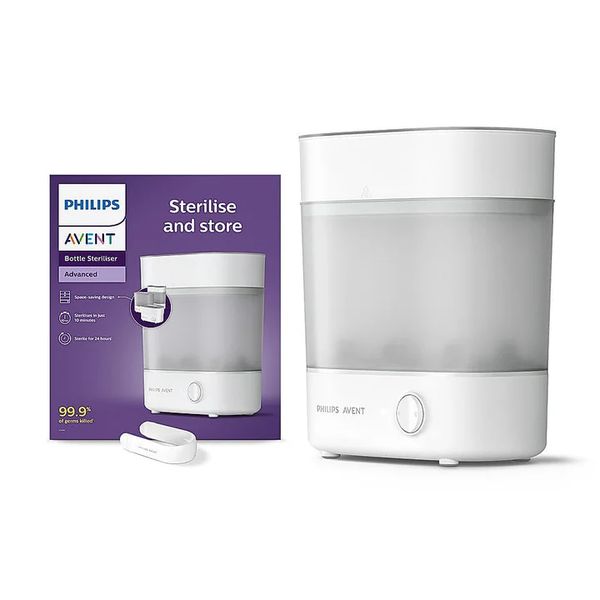
Philips Avent Sterilizer
Any decent sterilizer will do - the point is it saves a lot of time when you're already running around. We use this one and it works well.

Joie i-Gemm 3 Car Seat
R129 certified. We started using it from day 4 after birth and the baby has been comfortable in it. Worth getting one early.

Zoey Baby Carrier Nest
We found that the baby is very comfortable sleeping in this muslin nest. It keeps them snug and settled.
Managing this as working parents
Both my wife and I work. The first week made it clear that the biggest challenge isn't any single task - it's the sleep deprivation that compounds everything else.
Shift sleeping
Research from Tikotzky and Sadeh suggests that consolidated sleep blocks matter more than total hours - you need at least 4 hours of unbroken sleep for the body to complete a full restorative sleep cycle including slow-wave (deep) sleep[17]. One approach that can be adopted: split the night into two 4–5 hour blocks. One parent is on duty while the other sleeps in a separate room, undisturbed. Then they switch.
For breastfeeding, the on-duty father brings the baby to the mother for nursing, then handles burping, changing, and settling. The mother only needs to wake enough to feed, then goes back to sleep. If pumped milk is available, one feed can be done entirely by the father, giving the mother an even longer unbroken stretch.
Mental health
Postpartum depression affects about 22% of Indian mothers[18], with Southern India at 26%. Baby blues - mood swings, tearfulness, anxiety - are even more common, affecting 50–80% of mothers. They typically peak around day 5 and pass within two weeks.
Something I wasn't aware of: 8–10% of fathers experience postpartum depression too[19], often showing up as irritability or withdrawal rather than sadness, and peaking at 3–6 months postpartum. The Edinburgh Postnatal Depression Scale (EPDS) is a validated 10-question screening tool available in multiple Indian languages. If symptoms last more than 2 weeks or include thoughts of self-harm, get professional help.
What's helped so far
Accept help from whoever offers - this is not the time to be polite about it.
Move your body. Even a 20-minute walk has documented antidepressant effects. Keep at least one thing for yourself - a hobby, a show, anything. Dropping everything actually makes it harder, not easier.
Talk to each other. Not about the baby, about how you're both doing. Even 10 minutes of real conversation a day goes a long way. And let the house be messy. It's temporary.
Daily rhythm
Strict schedules don't work at this age. What we found useful is a simple feed-activity-sleep cycle: feed when baby wakes, do a short activity (tummy time, talking), then put baby down when sleepy cues appear. Repeat. It gives the day some structure without the stress of watching the clock.
The one thing that came up everywhere
Across all the reading I did, one finding kept repeating:
Responsive, warm, consistent caregiving - by any caregiver - produces good outcomes for infants. And parental well-being is a prerequisite for quality caregiving, not a luxury.
Take the nap. Accept the help. Eat well. The house can wait.
I'm very new to raising a baby and every day brings new learnings. I'll keep updating this post as we go - we're still experimenting with a lot of the above ourselves. Every kid is unique and every parent is too, so none of this is a strict set of rules. Think of it as a starting point that you can adjust through trial and error. For any major decisions, talk to your doctor. Happy parenting.
References
- Queensland Government Health (2024). “Infant formula feeding.” Recommends 150 ml per kg of body weight per day for infants 5 days to 3 months old. QLD Health. Also: AAP HealthyChildren.org, “How Often and How Much Should Your Baby Eat?” AAP
- Kent JC et al. (1999). “Breast volume and milk production during extended lactation.” Experimental Physiology, 84(2):435–447. PubMed
- Stern JM, Reichlin S (1990). “Prolactin circadian rhythm persists throughout lactation in women.” Neuroendocrinology, 51(1):31–37. PubMed
- WHO (2006). “WHO Child Growth Standards.” Multicentre Growth Reference Study. WHO
- Rivkees SA (2003). “Developing Circadian Rhythmicity in Infants.” Pediatrics, 112(2):373–381. PubMed
- Hirshkowitz M et al. (2015). “National Sleep Foundation's Sleep Time Duration Recommendations.” Sleep Health, 1(1):40–43. PubMed
- Paruthi S et al. (2016). “Recommended Amount of Sleep for Pediatric Populations.” JCSM, 12(6):785–786. AASM. Also: Mindell JA, Owens JA (2015), A Clinical Guide to Pediatric Sleep, 3rd ed.
- Moon RY et al. (2022). “Sleep-Related Infant Deaths: Updated 2022 Recommendations.” Pediatrics, 150(1):e2022057990. PubMed
- Spencer JA et al. (1990). “White Noise and Sleep Induction.” Archives of Disease in Childhood, 65(1):135–137. PubMed
- Vennemann MM et al. (2012). “Bed Sharing and the Risk of SIDS.” The Journal of Pediatrics, 160(1):44–48. Journal
- Karp H (2002). The Happiest Baby on the Block. Amazon
- Hershon L et al. (2024). “To sleep or to breastfeed: Associations between feeding method and sleep in infants and children.” Acta Paediatrica, 113(6). PubMed
- ICMR-NIN (2024). “Nutrient Requirements and Recommended Dietary Allowances for Indians.” National Institute of Nutrition, Hyderabad. NIN
- Hollis BW et al. (2015). “Maternal Versus Infant Vitamin D Supplementation During Lactation.” Pediatrics, 136(4):625–634. PubMed
- Bazzano AN et al. (2016). “A Review of Herbal and Pharmaceutical Galactagogues for Breast-Feeding.” Ochsner Journal, 16(4):511–524. PubMed
- Francois CA et al. (1998). “Acute effects of dietary fatty acids on the fatty acids of human milk.” American Journal of Clinical Nutrition, 67(2):301–308. DOI
- Tikotzky L & Sadeh A. “Maternal sleep-related cognitions and infant sleep.” Western Journal of Nursing Research. PubMed
- Upadhyay RP et al. (2017). “Postpartum depression in India: a systematic review and meta-analysis.” Bulletin of the World Health Organization, 95(10):706–717. PubMed
- Paulson JF & Bazemore SD (2010). “Prenatal and postpartum depression in fathers and its association with maternal depression.” JAMA, 303(19):1961–1969. PubMed
- ABM Clinical Protocol #3 (2017). “Supplementary Feedings in the Healthy Term Breastfed Neonate.” Breastfeeding Medicine, 12(3):188–198. PubMed
- WHO/FAO (2007). “Safe Preparation, Storage and Handling of Powdered Infant Formula: Guidelines.” WHO
- Allen LH (2012). “B Vitamins in Breast Milk.” Advances in Nutrition, 3(3):362–369. PMC
- Feldman R et al. (2002). “Skin-to-Skin Contact Promotes Self-Regulation.” Developmental Psychology, 38(2):194–207. APA PsycNet. Also: Feldman R et al. (2014), Biological Psychiatry, 75(1):56–64.
- Ballard O & Morrow AL (2013). “Human Milk Composition.” Pediatric Clinics of North America, 60(1):49–74. PubMed
- La Leche League International. “Frequency of Feeding - Frequently Asked Questions.” Recommends 6+ wet diapers and 2+ stools daily through the first month; notes stool frequency often decreases after 6 weeks. LLLI
- Henderson JMT et al. (2010). “Sleeping Through the Night: The Consolidation of Self-regulated Sleep Across the First Year of Life.” Pediatrics, 126(5):e1081–e1087. PubMed. Also: Stanford Children's Health, “Infant Sleep.” Stanford
- Cleveland Clinic (2024). “Wake Windows by Age.” Birth–1 month: 30–60 min; 1–3 months: 1–2 hours; 3–4 months: 1.25–2.5 hours; 5–7 months: 2–4 hours. Cleveland Clinic